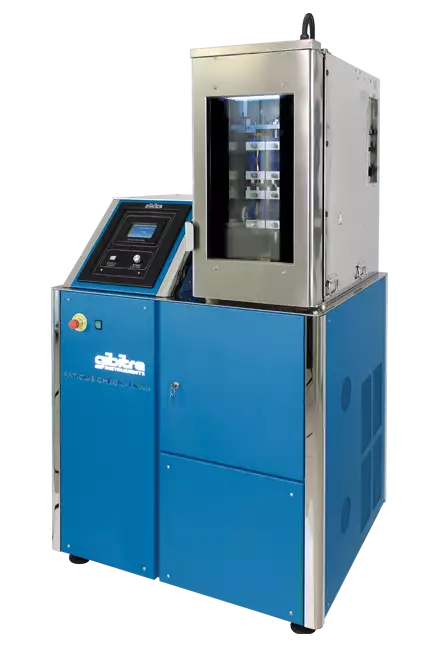
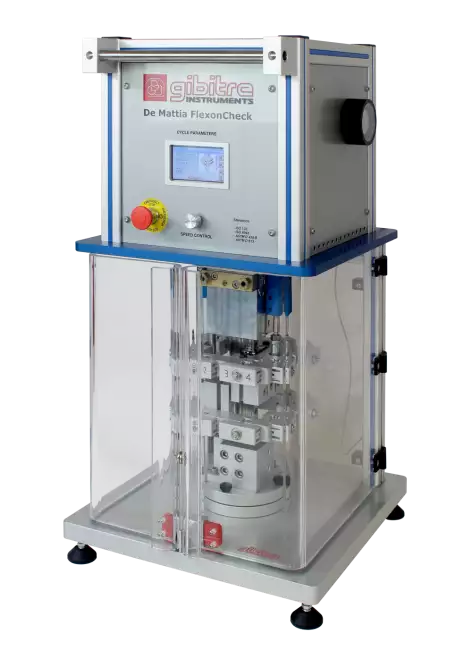
De Mattia Fatigue Check - A.I. Camera
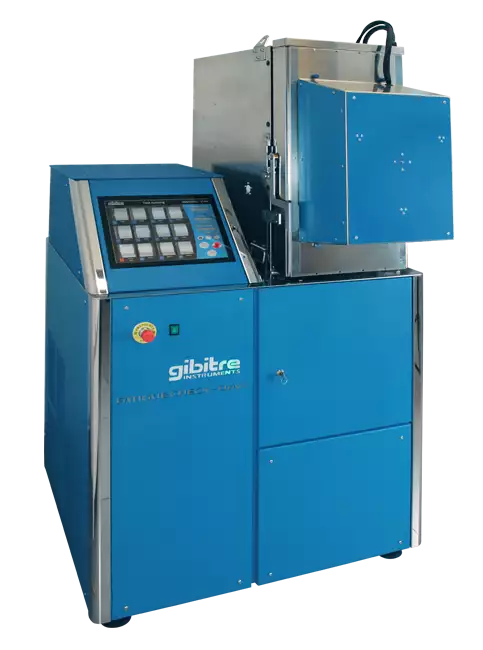
Instrument for fatigue resistance tests in bending and in tension at controlled temperature (-40 ÷ + 200°C) with automatic inspection of the specimens through video cameras

Standards the instrument complies with:   
ASTM D813;   ASTM D430-B;   ISO 132;   ISO 6943;   JIS K_6260;    

 
Gibitre’s temperature-controlled fatigue tester merges automated image capture with AI to identify crack initiation in real time. As a precise measurement tool among your lab’s tools, it rigorously documents damage evolution during bending on diverse materials. The integrated climate chamber operates from -40 to +200 °C with on-board refrigeration, while counter-moving specimen holders minimize noise and vibration. A 12-position rack enables simultaneous tests with user-set frequency (0–300 rpm), stroke (0–60 mm), clamp distance (up to 100 mm), and cycles (up to 10,000,000). Six high-resolution cameras, strain-synchronized, film the bending zone of all specimens without pausing the run. The 15'' touch software logs images at chosen intervals, applies AI crack detection, and auto-generates a cycle-indexed video; data export via USB or network. CE marked; suitable for fatigue and bending tests in accordance with ISO 132, ISO 6943, ASTM D430-B, ASTM D813.

An instrument with Unique Features 
This revolutionary Flexometer De Mattia, equipped with Climatic Camera for performing temperature-controlled tests and 6 Video Cameras for capturing and analyzing images of the 12 specimens produces as an automatic test result a Video of the progressive degradation of the specimen during the entire test cycle.

The instrument, which captures images without interrupting operation, dramatically reduces the testing time by eliminating all the interruptions and manual tasks that are normally required to evaluate the status of specimens.

The video and images produced make it possible to objectively document the results of the testing, allowing analyzing crack evolution in extreme detail.

Test Setups 
The instrument allows all test parameters to be set at the beginning of the test:
Oscillation frequency (0 ÷ 300 rpm)
Stroke (0 ÷ 60 mm)
Test temperature (-40 ÷ +200°C)
Total number of cycles (max 10,000,000)
Test modes (Fatigue, Crack Growth)
Illumination of the specimens
Identification of the 12 specimens
Frequency of image acquisition


Performing the test 
To perform the test, simply insert the 12 specimens into the instrument, and press start.
The instrument automatically adjusts the temperature and following thermal conditioning begins the test cycle by recording images of each specimen without stopping the oscillation until the total number of cycles set is reached.
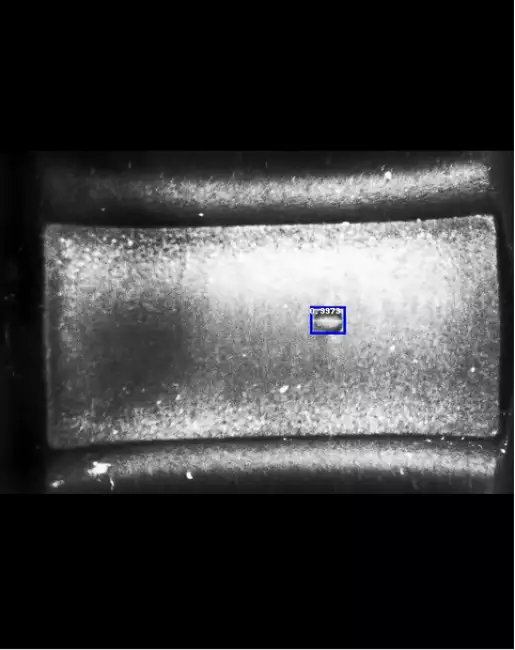
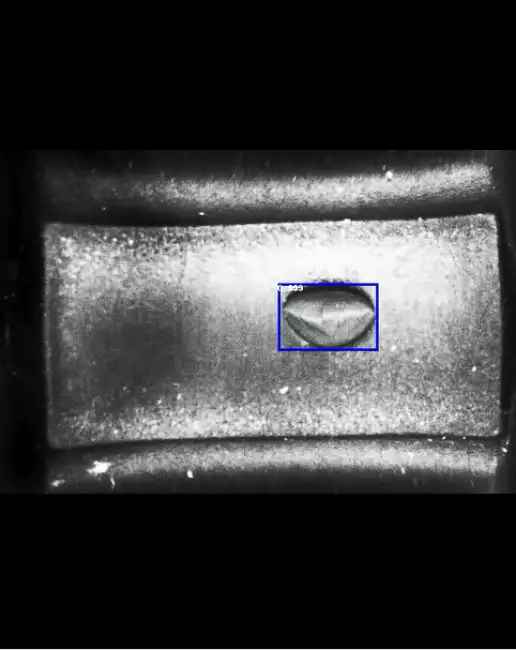
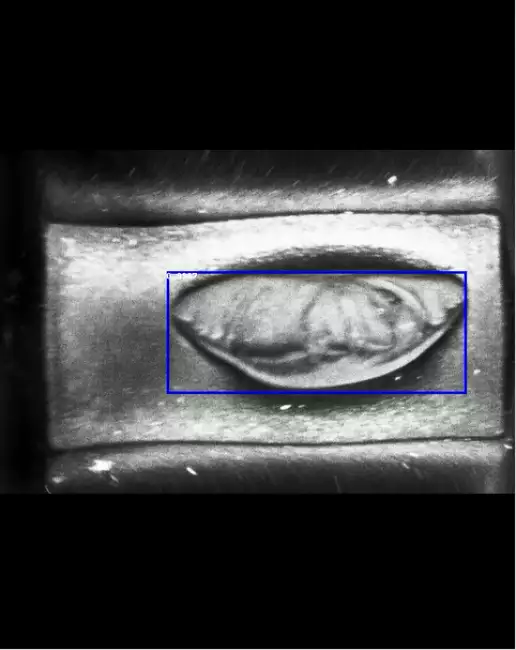
The Artificial Intelligence algorithm analyzes all images to determine the presence of cracks (Fatigue Test) or crack size (Crack Growth Test)
At the end of the test, all images for each specimen are automatically edited into a video that includes useful information (Number of Cycles, Crack Presence/Size, Temperature). Videos of the 12 specimens are downloadable via USB or LAN port.

Temperature Range 
The sample holding system is located in a Environmental chamber which permits to set the temperature between -40°C and 200 °C.
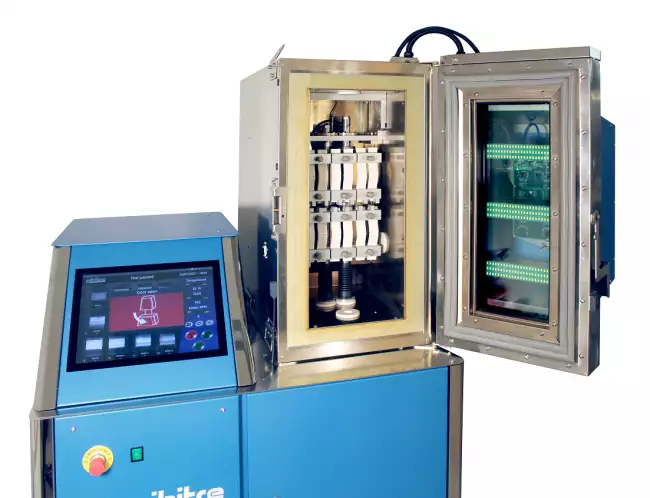
Image acquisition system 
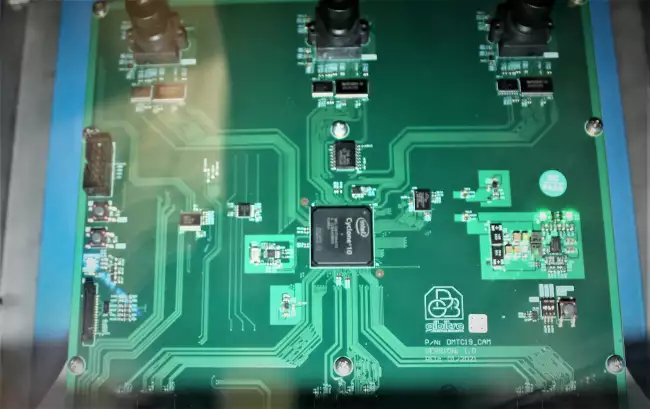
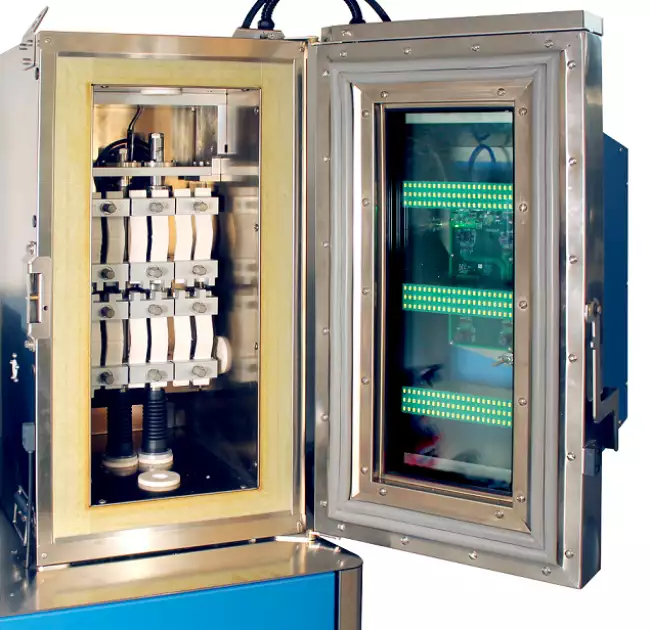
The instrument is equipped with 6 BW video cameras with a resolution of 600x450 pixels that allow you to simultaneously acquire the images of all 12 mounted specimens (each video camera acquires the image of 2 specimens).
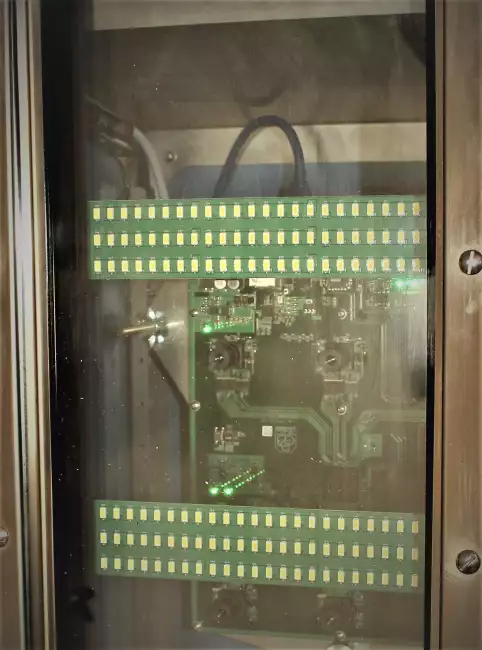
A LED lighting device has been developed which guarantees the correct illumination of the specimens and, in combination with the software setting of the exposure of the cameras, allows to obtain optimal images for specimens of various colors.
Image acquisition and lighting are synchronized with the movement of the specimen to always acquire the image in the same position (settable) without interrupting the operation of the instrument
The frequencies of acquisition and saving of the images before the crack is identified and after its identification can be set by the user based on the characteristics of the product to be tested (minimum frequency per sample 20 seconds)


Control device 
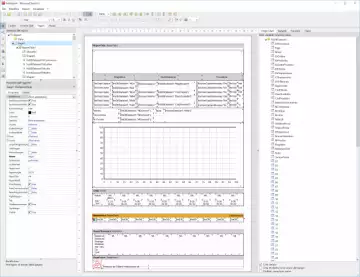
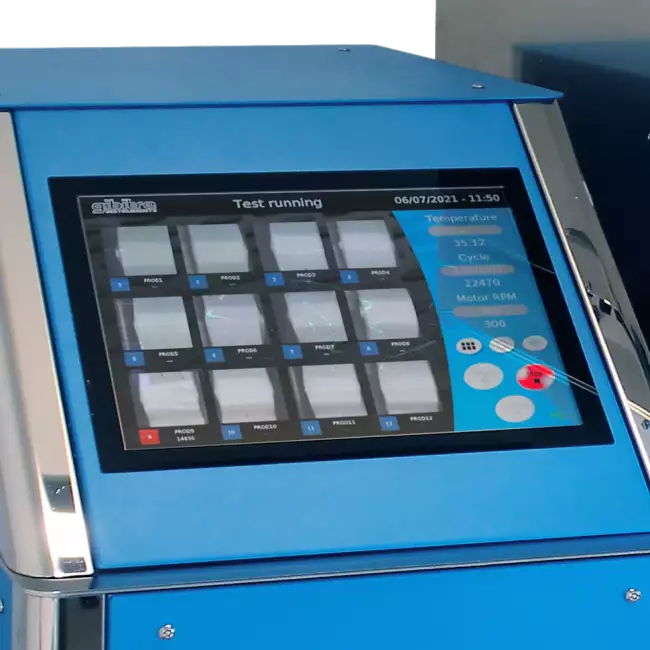
The complete control of the instrument is carried out through the powerful software installed in the PC inside the machine and through the 15 '' touch-screen control panel.
The software allows you to:
- Set the frequency, the temperature and the number of cycles to be carried out
- Identify the 12 specimens
- Record the images of each of the 12 samples with set frequency
- Analyze images with Artificial Intelligence algorithm for automatic detection of the crack start
- Perform a slide-show of the images recorded for each sample
- Download the images via USB port to an external support

Management of Sample Images 
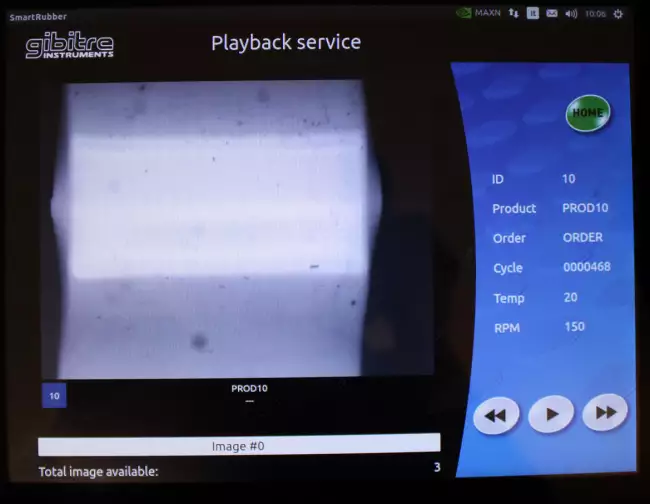
The images related to each specimen are saved in the internal memory of the device (up to 10,000 images can be stored)
The software allows you to view all the images related to each specimen in sequence
The name with which each image is saved includes the position, the identification, the number of cycles performed at the time of setting, the presence of crack.

Artificial Intelligence Algorithm 
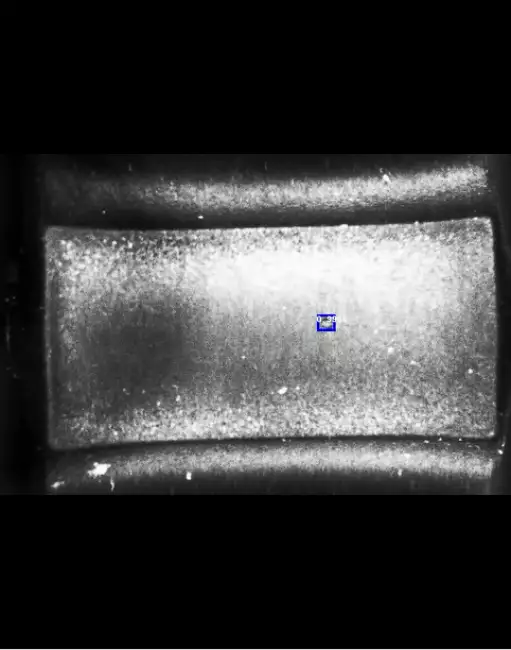
The analysis algorithm analyzes all images to identify the presence of cracks.
The algorithm was educated in acquiring images of specimens with different colors and polymers.
When the algorithm identifies the presence of a crack, the software records the number of cycles at which the crack identification occurred and automatically changes the image saving rate based on the settings.


Automatic generation od the movie for each sample 
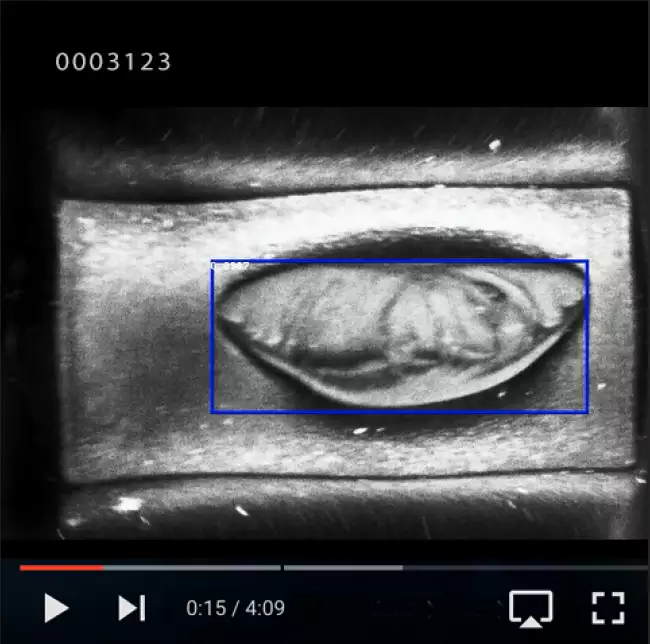
The management of thousands of images for each sample requires time and memory for storage.
The software of the instrument automatically produces a movie for each sample using the images stored. The movie shows the evolution of the sample and the corresponding number of cycles. The movies can be downloaded to USB of using network connection.

Sample holders 
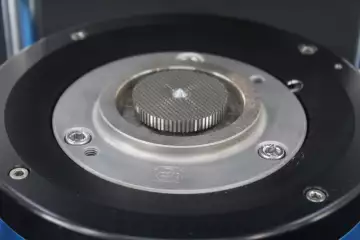
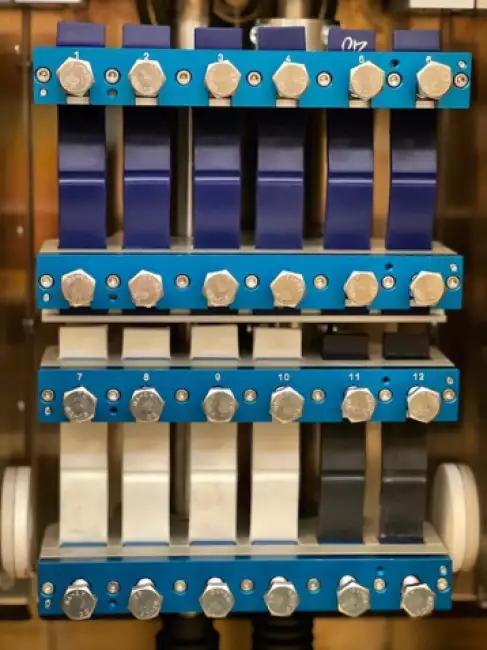
The sample holder permits to test 12 samples simultaneously.
The exclusive movement system with both sample holders moving in opposite directions ensures extremely low levels of noise and vibrations.

Instrument Regulation 
According to test specification, the instrument can be easily adjusted by setting
• Test frequency (60 to 300 rpm)
• Test stroke (0 to 60 mm)
• The distance of the grips (up to 100 mm)
• The number of cycles before automatic stop can be set (up to 1.000.000)


Cooling system 
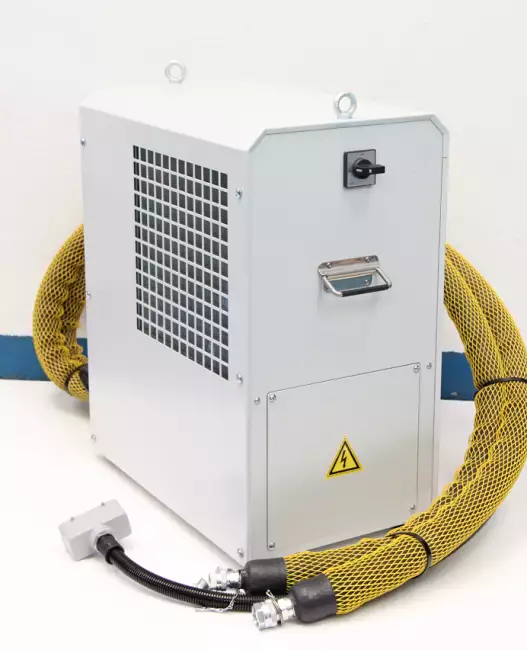
The instrument produced by Gibitre uses a Refrigeration Unit to reduce the temperature.
The use of the refrigeration unit, compared to cooling by liquid nitrogen, allows to:
• control the test temperature perfectly, avoiding oscillations that may alter the results.
• Carry out long-term tests without risking to end the liquid nitrogen supply before finishing the test
• Eliminate the hazards related with manipulation of nitrogen

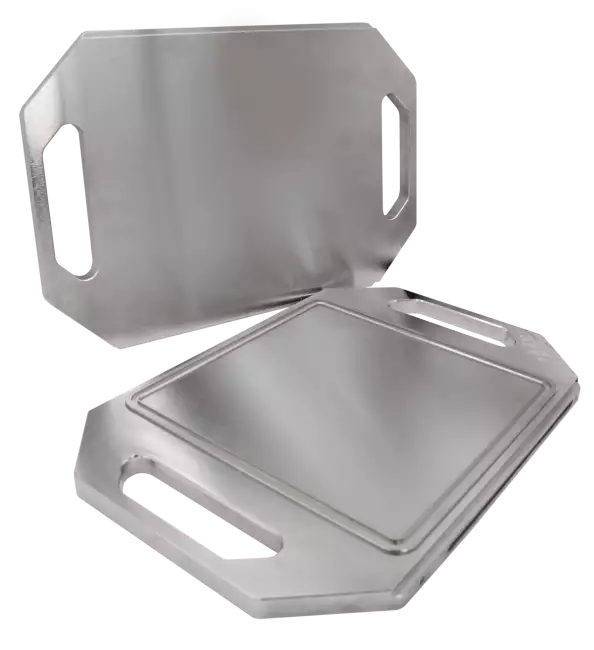
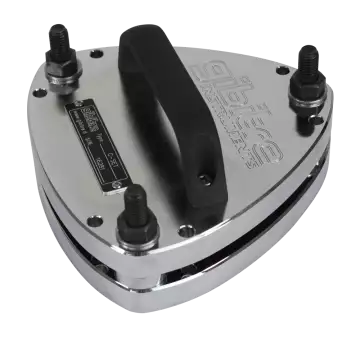
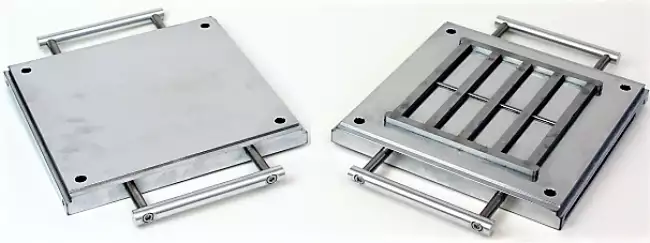
Mould for De Mattia Flexure test 
Mould for De Mattia dynamic tester according to ISO 132, ASTM D 430-method B, DIN 53 522 standards.
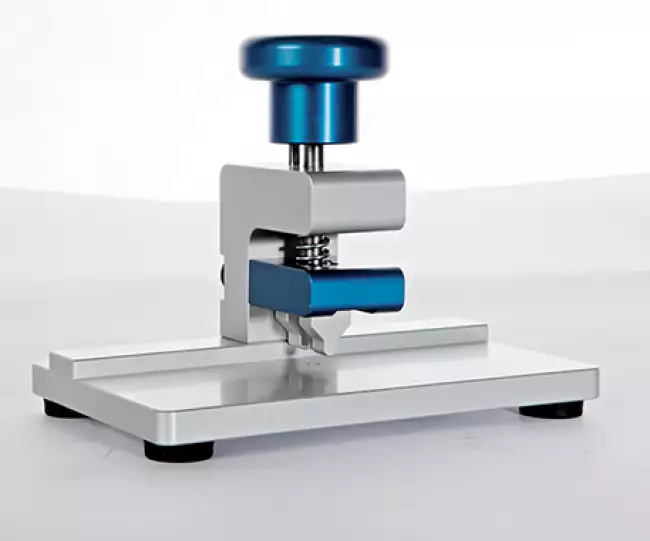
Piercing tool 
The piercing tool allows to realize the standard notch to carry out crack-growth tests.


Development and production 
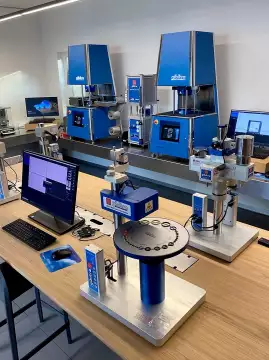
The instrument is totally developed and produced in the plant of Gibitre Instruments in Italy.
All the mechanical parts are produced in the company workshop using modern CNC machines.
Components and sensors from well-known brands are selected in order to ensure the maximum reliability in the measures
Internal trained personnel takes care of all the production stages: assembly, start-up, calibration, packing, shipment and installation.

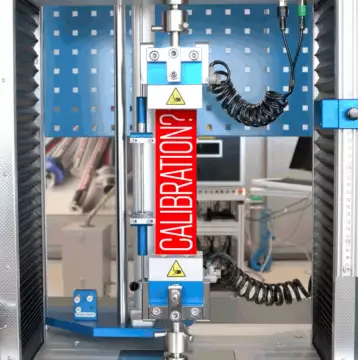
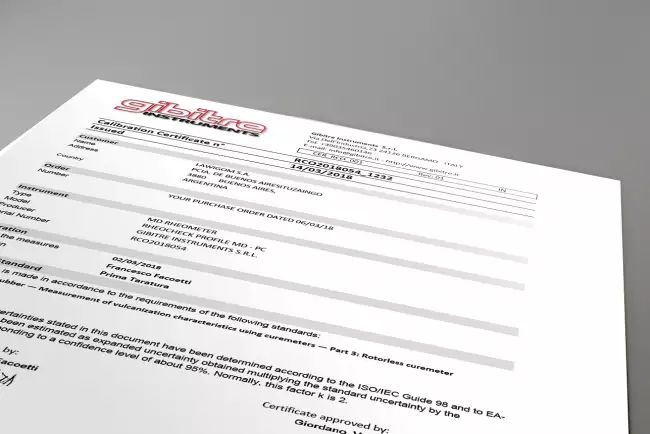
Standard Calibration service for De Mattia Fatigue Check 
The calibration is performed with reference to the requirements of ISO 132 standard.
The service includes:
• Ordinary maintenance of the instrument
• Calibration of the oscillation speed.
• Calibration of the dimension of the templates.
• Calibration of the temperature inside the environmental chamber at 4 temperatures (for flexometers with environmental Chamber)
• Issue and e-mail shipment of the Calibration Certificate with traceability to primary standards.

Safety devices 
• Safety protection doors fitted with safety switch.
• Safety Push-button
• Digital Motor controller with torque overload control.
• CE labelling



An instrument with Unique Features 
• De Mattia Test for Fatigue & Crack-Growth
• Fatigue Test in Traction
• 12-position test holder
• Testing in Temperature between -40°C and 200°C
• 6 Video Cameras for Automatic Image Acquisition
• Image analysis using Artificial Intelligence
• Fatigue Test: Auto-Detection of the presence of cracks
• Crack Growth Test: Auto-Measurement of Crack size
• Automatic generation of movies for 12 samples
• Excel file for Crack Size-Cycles.


Instrument Characteristics 
 
Speed adjustment 
from 60 to 300 Cycles/min - 1 to 5 Hz 
Run adjustment 
Between 0 and 60 mm 
Set of the number of cycles before automatic stop 
Between 1 and 10^7 
Distance of the grips 
Maximum 100 mm 
Sample holder 
12 samples can be tested at the same time 
Maximum force in traction 
700 N (at 1 Hz oscillation speed) 
Environmental Chamber 
 
Test temperature (without optional refrigerator) 
From room temperature to 200°C (1°C resolution). 
Air Flow 
Internal air recirculation without air exchange 
Test temperature (with refrigeration unit) 
From -40°C to 200°C (1°C resolution). 
Control Display and Software 
 
Control display and Software 
Touch-screen Display 15" 
Software Funtctions 
Setting of temperature, frequency and number of cycles, identification of specimens, storage of images with settable frequency, slide-show of recorded images, storage of the number of cycles at crack start, images download 


Video cameras for image acquisition 
6 BW video cameras with resolution 600x450 pixels. Each camera captures the image of 2 samples 
Lighting system 
Led lighting system. Ignition synchronized with oscillation 
 
 
Lighting system 


Image Analysis through Artificial Intelligence 
The algorithm identifies the presence of cracks with specimens of different colors and polymers 
Safety Devices 
 
Safety Devices 
Safety protection doors with safety switches
Safety Pushbutton
Motor controller with torque overload control
CE labelling 
Labelling 
CE Labelling 
Calibration 
 
Calibration 
Calibration Report conforming to ISO 132 and ISO 6943 and Enviromnetla chamber temperature calibration, with traceability to primary references 
Technical specifications 
 
Power supply 
220 VAC ±10%, 50 Hz ±3, 14 A -single phase - 110 VAC ±10%, 60 Hz ±3 on request 
Electrical Power (instrument + environmental chamber) 
3 kW 
Instrument Dimensions 
(Width x Depth x Height) 960 x 900 x 1750 mm 
Thermal Chamber Internal dimensions 
(Width x Depth x Height) 240  x 230 x 600 mm 
Weight 
300 Kg (optional refrigeration unit: 40 Kg) 
Noise level 
< 50 dB 
Adjusting the position at the end of the test 
The instrument automatically moves to the maximum opening position at the end of the set number of cycles. 


Gibitre Instruments
Via dell'industria, 18
Bergamo (Italy)
te. +39 035 461146
www.gibitre.it
info@gibitre.it

Copyright Gibitre Instruments
Instrument for fatigue resistance tests in bending and in tension at controlled temperature (-40 ÷ + 200°C) with automatic inspection of the specimens through video cameras
Campi di applicazione  >  Prove su pneumatici  >  Rheocheck MD - Drive
De Mattia
Fatigue
Check - A.I.
Camera
fatigue de mattia ai camera: Flessometro De Mattia con camera climatica e videocamere per acquisizione immagini provini.
Get a Quotation

Instrument for fatigue resistance tests in bending and in tension at controlled temperature (-40 ÷ + 200°C) with automatic inspection of the specimens through video cameras

Applications

Gibitre’s temperature-controlled fatigue tester merges automated image capture with AI to identify crack initiation in real time. As a precise measurement tool among your lab’s tools, it rigorously documents damage evolution during bending on diverse materials. The integrated climate chamber operates from -40 to +200 °C with on-board refrigeration, while counter-moving specimen holders minimize noise and vibration. A 12-position rack enables simultaneous tests with user-set frequency (0–300 rpm), stroke (0–60 mm), clamp distance (up to 100 mm), and cycles (up to 10,000,000). Six high-resolution cameras, strain-synchronized, film the bending zone of all specimens without pausing the run. The 15'' touch software logs images at chosen intervals, applies AI crack detection, and auto-generates a cycle-indexed video; data export via USB or network. CE marked; suitable for fatigue and bending tests in accordance with ISO 132, ISO 6943, ASTM D430-B, ASTM D813.
Perché scegliere Fatigue Check - AI Camera?

An instrument with Unique Features 

This revolutionary Flexometer De Mattia, equipped with Climatic Camera for performing temperature-controlled tests and 6 Video Cameras for capturing and analyzing images of the 12 specimens produces as an automatic test result a Video of the progressive degradation of the specimen during the entire test cycle.

The instrument, which captures images without interrupting operation, dramatically reduces the testing time by eliminating all the interruptions and manual tasks that are normally required to evaluate the status of specimens.

The video and images produced make it possible to objectively document the results of the testing, allowing analyzing crack evolution in extreme detail.

Test Setups 

The instrument allows all test parameters to be set at the beginning of the test:
Oscillation frequency (0 ÷ 300 rpm)
Stroke (0 ÷ 60 mm)
Test temperature (-40 ÷ +200°C)
Total number of cycles (max 10,000,000)
Test modes (Fatigue, Crack Growth)
Illumination of the specimens
Identification of the 12 specimens
Frequency of image acquisition

Performing the test 

To perform the test, simply insert the 12 specimens into the instrument, and press start.
The instrument automatically adjusts the temperature and following thermal conditioning begins the test cycle by recording images of each specimen without stopping the oscillation until the total number of cycles set is reached.
The Artificial Intelligence algorithm analyzes all images to determine the presence of cracks (Fatigue Test) or crack size (Crack Growth Test)
At the end of the test, all images for each specimen are automatically edited into a video that includes useful information (Number of Cycles, Crack Presence/Size, Temperature). Videos of the 12 specimens are downloadable via USB or LAN port.


Temperature Range 

The sample holding system is located in a Environmental chamber which permits to set the temperature between -40°C and 200 °C.

fatigue de mattia ai camera: De Mattia Fatigue Check AI Camera. Dettaglio della camera di prova aperta con i provini installati.
De Mattia Fatigue Check AI Camera. Dettaglio della camera di prova aperta con i provini installati.

Image acquisition system 

The instrument is equipped with 6 BW video cameras with a resolution of 600x450 pixels that allow you to simultaneously acquire the images of all 12 mounted specimens (each video camera acquires the image of 2 specimens).
A LED lighting device has been developed which guarantees the correct illumination of the specimens and, in combination with the software setting of the exposure of the cameras, allows to obtain optimal images for specimens of various colors.
Image acquisition and lighting are synchronized with the movement of the specimen to always acquire the image in the same position (settable) without interrupting the operation of the instrument
The frequencies of acquisition and saving of the images before the crack is identified and after its identification can be set by the user based on the characteristics of the product to be tested (minimum frequency per sample 20 seconds)

fatigue de mattia ai camera: Flesosmetro De Mattia camerta termica e videocamere. Dettaglio della camera di prova con sistema di videocamere e di illuminazione a Led. fatigue de mattia ai camera: Flesosmetro De Mattia camerta termica e videocamere. Dettaglio della camera di prova con sistema di videocamere e di illuminazione a Led. fatigue de mattia ai camera: Flessometro De Mattia con Videocamere per acqusizione automatica delle immagini dei provini. Scheda elettronica con 6 videocamere. fatigue de mattia ai camera: De Mattia Fatigue Check AI Camera. Configurazione con 6 videocamere per acquisizione delle immagini dei provini.

Control device 

The complete control of the instrument is carried out through the powerful software installed in the PC inside the machine and through the 15 '' touch-screen control panel.
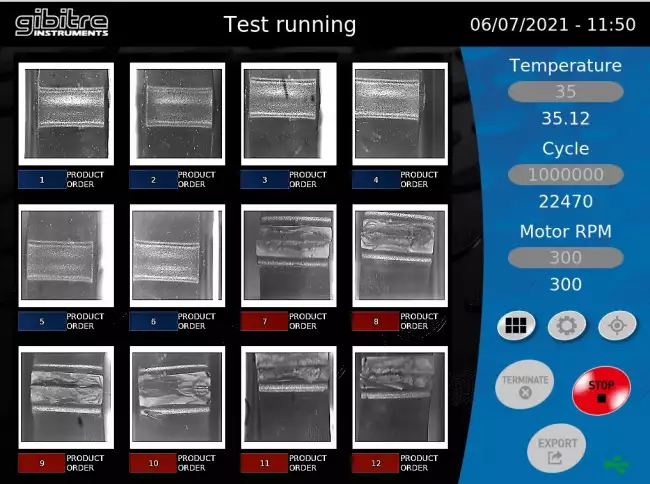
The software allows you to:
- Set the frequency, the temperature and the number of cycles to be carried out
- Identify the 12 specimens
- Record the images of each of the 12 samples with set frequency
- Analyze images with Artificial Intelligence algorithm for automatic detection of the crack start
- Perform a slide-show of the images recorded for each sample
- Download the images via USB port to an external support

fatigue de mattia ai camera: De Mattia Fatigue Check - AI Camera. Display touch-screen di controllo integrato nello strumento.
De Mattia Fatigue Check - AI Camera. Display touch-screen di controllo integrato nello strumento.

Management of Sample Images 

The images related to each specimen are saved in the internal memory of the device (up to 10,000 images can be stored)
The software allows you to view all the images related to each specimen in sequence
The name with which each image is saved includes the position, the identification, the number of cycles performed at the time of setting, the presence of crack.

fatigue de mattia ai camera: Flessometro De Mattia Fatigue Check - AI Camera. Il software permette di visualizzare la sequenza di immagini memorizzate per ogni provino.
Flessometro De Mattia Fatigue Check - AI Camera. Il software permette di visualizzare la sequenza di immagini memorizzate per ogni provino.

Artificial Intelligence Algorithm 

The analysis algorithm analyzes all images to identify the presence of cracks.
The algorithm was educated in acquiring images of specimens with different colors and polymers.
When the algorithm identifies the presence of a crack, the software records the number of cycles at which the crack identification occurred and automatically changes the image saving rate based on the settings.

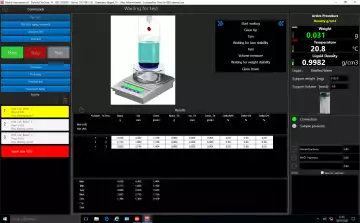
fatigue de mattia ai camera: De Mattia AI Camera. Immagine con difetto minimo rilavato tramite intelligenza artificiale. fatigue de mattia ai camera: De Mattia AI Camera. Immagine con difetto minimo rilavato tramite intelligenza artificiale. fatigue de mattia ai camera: De-Mattia-Fatigue_Check-AI_Camera: immagine di un provino con difetto minimo rilevato da analisi AI. fatigue de mattia ai camera: De-Mattia-Fatigue_Check-AI_Camera: immagine di un provino con difetto medio rilevato da analisi AI. fatigue de mattia ai camera: De-Mattia-Fatigue_Check-AI_Camera: immagine di un provino con difetto grande rilevato da analisi AI. fatigue de mattia ai camera: De Mattia Fatigue Check AI Camera: pagina principale del pannello di controllo dello strumento.

Automatic generation od the movie for each sample 

The management of thousands of images for each sample requires time and memory for storage.
The software of the instrument automatically produces a movie for each sample using the images stored. The movie shows the evolution of the sample and the corresponding number of cycles. The movies can be downloaded to USB of using network connection.

Look at the movie
fatigue de mattia ai camera: De Mattia Fatigue Check - AI Camera. Video prodotto automaticamente dallo strumento con stato di degradazione progressiva del provino.
De Mattia Fatigue Check - AI Camera. Video prodotto automaticamente dallo strumento con stato di degradazione progressiva del provino.
fatigue de mattia ai camera: Flessometro De Mattia: dettaglio del porta-provini dentro la camera climatica.

Sample holders 

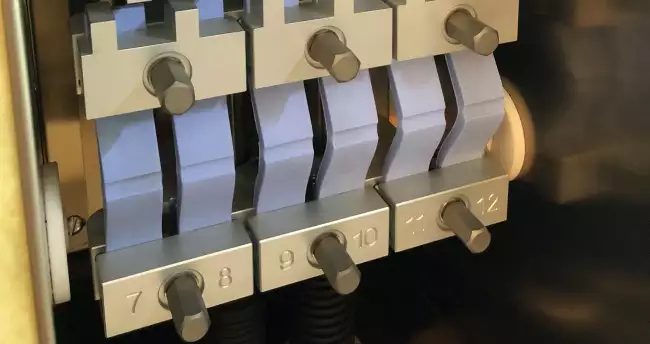
The sample holder permits to test 12 samples simultaneously.
The exclusive movement system with both sample holders moving in opposite directions ensures extremely low levels of noise and vibrations.

Look at the Movie
fatigue de mattia ai camera: Flessometro in camera termica. Porta-provini con chiusura singola per provino con 12 provini montati.
Flessometro in camera termica. Porta-provini con chiusura singola per provino con 12 provini montati.

Instrument Regulation 

According to test specification, the instrument can be easily adjusted by setting
• Test frequency (60 to 300 rpm)
• Test stroke (0 to 60 mm)
• The distance of the grips (up to 100 mm)
• The number of cycles before automatic stop can be set (up to 1.000.000)

Cooling system 

The instrument produced by Gibitre uses a Refrigeration Unit to reduce the temperature.
The use of the refrigeration unit, compared to cooling by liquid nitrogen, allows to:
• control the test temperature perfectly, avoiding oscillations that may alter the results.
• Carry out long-term tests without risking to end the liquid nitrogen supply before finishing the test
• Eliminate the hazards related with manipulation of nitrogen

fatigue de mattia ai camera: Camera climatica per dinamometro. Frigorifero opzionale collegabile alla camera termica per prove a bassa temperatura.
Camera climatica per dinamometro. Frigorifero opzionale collegabile alla camera termica per prove a bassa temperatura.
Accessori

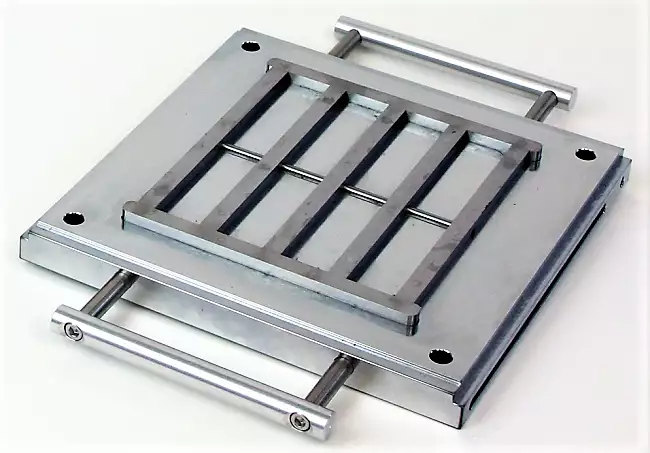
Mould for De Mattia Flexure test 

Mould for De Mattia dynamic tester according to ISO 132, ASTM D 430-method B, DIN 53 522 standards.

fatigue de mattia ai camera: Stampo per la preparazione di provini per prove di fatica di tipo De Mattia secondo norme ISO 132, ISO 6943, ASTM D813, ASTM D430-B, JIS K_6260.  fatigue de mattia ai camera: Stampo per la preparazione di provini per prove di fatica di tipo De Mattia secondo norme ISO 132, ISO 6943, ASTM D813, ASTM D430-B, JIS K_6260.  fatigue de mattia ai camera: Pressa da laboratorio. Stampi per pressa. Stampo per provini di flessione per prova De Mattia.

Piercing tool 

The piercing tool allows to realize the standard notch to carry out crack-growth tests.

fatigue de mattia ai camera: Flessometro De Mattia. Dispositivo per la realizzazione dell'intaglio del provino per prove di accrescimento cricca secondo norme ISO 132 ed ASTM D813.
Flessometro De Mattia. Dispositivo per la realizzazione dell'intaglio del provino per prove di accrescimento cricca secondo norme ISO 132 ed ASTM D813.

Development and production 

The instrument is totally developed and produced in the plant of Gibitre Instruments in Italy.
All the mechanical parts are produced in the company workshop using modern CNC machines.
Components and sensors from well-known brands are selected in order to ensure the maximum reliability in the measures
Internal trained personnel takes care of all the production stages: assembly, start-up, calibration, packing, shipment and installation.

fatigue de mattia ai camera: Orgogliosamente prodotti in Italia
Orgogliosamente prodotti in Italia
fatigue de mattia ai camera: De Mattia Fatigue Check: dettaglio del pannello frontale luminoso dello strumento.

Standard Calibration service for De Mattia Fatigue Check 

The calibration is performed with reference to the requirements of ISO 132 standard.
The service includes:
• Ordinary maintenance of the instrument
• Calibration of the oscillation speed.
• Calibration of the dimension of the templates.
• Calibration of the temperature inside the environmental chamber at 4 temperatures (for flexometers with environmental Chamber)
• Issue and e-mail shipment of the Calibration Certificate with traceability to primary standards.

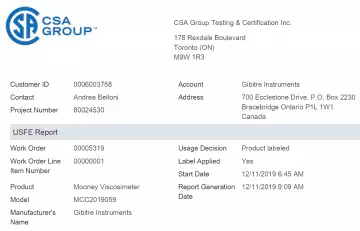
Sample Calibration Report
fatigue de mattia ai camera: Taratura Gibitre: Conformità completa alle Norme
Taratura Gibitre: Conformità completa alle Norme

Safety devices 

• Safety protection doors fitted with safety switch.
• Safety Push-button
• Digital Motor controller with torque overload control.
• CE labelling

fatigue de mattia ai camera: La sicurezza prima di tutto
La sicurezza prima di tutto

An instrument with Unique Features 

• De Mattia Test for Fatigue & Crack-Growth
• Fatigue Test in Traction
• 12-position test holder
• Testing in Temperature between -40°C and 200°C
• 6 Video Cameras for Automatic Image Acquisition
• Image analysis using Artificial Intelligence
• Fatigue Test: Auto-Detection of the presence of cracks
• Crack Growth Test: Auto-Measurement of Crack size
• Automatic generation of movies for 12 samples
• Excel file for Crack Size-Cycles.

Technical specification

Reference Standards
Standards the instrument complies with:  ISO 132; ISO 6943; ASTM D813; ASTM D430-B; JIS K_6260;  

Instrument Characteristics

Speed adjustment  from 60 to 300 Cycles/min - 1 to 5 Hz  Run adjustment  Between 0 and 60 mm  Set of the number of cycles before automatic stop  Between 1 and 10^7  Distance of the grips  Maximum 100 mm  Sample holder  12 samples can be tested at the same time  Maximum force in traction  700 N (at 1 Hz oscillation speed) 

Environmental Chamber

Test temperature (without optional refrigerator)  From room temperature to 200°C (1°C resolution).  Air Flow  Internal air recirculation without air exchange  Test temperature (with refrigeration unit)  From -40°C to 200°C (1°C resolution). 

Control Display and Software

Control display and Software  Touch-screen Display 15"  Software Funtctions  Setting of temperature, frequency and number of cycles, identification of specimens, storage of images with settable frequency, slide-show of recorded images, storage of the number of cycles at crack start, images download  Video cameras for image acquisition  6 BW video cameras with resolution 600x450 pixels. Each camera captures the image of 2 samples  Lighting system  Led lighting system. Ignition synchronized with oscillation 

Lighting system

Image Analysis through Artificial Intelligence  The algorithm identifies the presence of cracks with specimens of different colors and polymers 

Safety Devices

Safety Devices  Safety protection doors with safety switches
Safety Pushbutton
Motor controller with torque overload control
CE labelling 
Labelling  CE Labelling 

Calibration

Calibration  Calibration Report conforming to ISO 132 and ISO 6943 and Enviromnetla chamber temperature calibration, with traceability to primary references 

Technical specifications

Power supply  220 VAC ±10%, 50 Hz ±3, 14 A -single phase - 110 VAC ±10%, 60 Hz ±3 on request  Electrical Power (instrument + environmental chamber)  3 kW  Instrument Dimensions  (Width x Depth x Height) 960 x 900 x 1750 mm  Thermal Chamber Internal dimensions  (Width x Depth x Height) 240  x 230 x 600 mm  Weight  300 Kg (optional refrigeration unit: 40 Kg)  Noise level  < 50 dB  Adjusting the position at the end of the test  The instrument automatically moves to the maximum opening position at the end of the set number of cycles. 
References
Gibitre Fatigue Tester
is currently installed in
32 countries
Request the List of top References
Download
Brief product leaflet
General catalogue mail request

Calibration certificate
example
CE certificate
example
De Mattia Fatigue Check - Plus
Vedi anche: Flessometro De Mattia per prove in camera Climatica.
See Also   >
De Mattia Fatigue Check
Vedi anche: Flessometro De Mattia in versione standard per prove a temperatura ambiente. Vista completa dello strumento.
See Also   >
Moulds for Laboratory Press
Vedi anche: Stampi per Laboratory Press: esempio di stampo rettificato e cromato.
See Also   >
News
Call to action
Ask for quotation
a guided way to ask
for a quotation
Mail
info@gibitre.it
The good old e-mail
ready for every season
Phone
+39 035 460146
We welcome your calls Monday through Friday from 8:30 a.m. to 5:30 p.m. in your local time zone.
Newsletter
Subscribe
Stay updated
with the last news
of your sector
Local agent
from: -
See the whole list

In your country
in your language
at your service
Gibitre Instruments S.r.l., Via dell'industria 73, 24126 Bergamo Italia, pec@gibitre-instruments.it P. IVA: IT02827900164 CCIAA REA Bergamo: 326486 | ©2018 - 2026 Gibitre Instruments
Optimist.it
Welcome to the Gibitre Instruments web site
Please chose the preferred Cookie Management.
Benvenuti nel sito Gibitre Instruments
Per continuare scegliete la Gestione dei Cookie che preferite.
Cookies policy
For detailed informations about the use of cookies, please read our
Cookies Management Practice.

Gestione dei Cookies
Per maggiori informazioni sui cookie utilizzati consultate la nostra
Procedura sull'Uso dei Cookies.