ISO 17025 Accredited Calibration
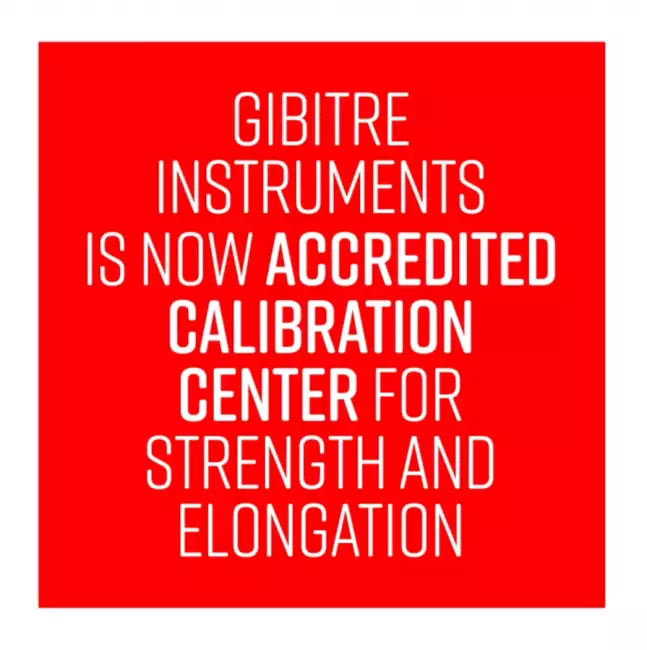
Gibitre Instruments is Accredited ACCREDIA Calibration Laboratory according to ISO 17025:2018 standard and provides calibration service for Hardness (Shore & IRHD) and Tensile (Force, Elongation, Speed) Testers


Accredia Calibration Services 
Gibitre Instruments' metrology laboratory has been accredited as an Accredia Calibration Laboratory (LAT 00455) since 2005.
The calibration center complies with the ISO 17025:2018 standard.
The center is currently accredited for the calibration of:
- IRHD (Micro, Normal, Hard, Low) hardness testers according to ISO 48-9
- Shore hardness testers (A and D) according to ISO 48-9 and ISO 868
- Dynamometers - Force according to ISO 7500-1
- Dynamometers - Elongation according to ISO 9513 and ISO 5893
- Dynamometers - Speed according to ISO 5893 and ASTM E2658.

Official Calibration of Shore and IRHD Hardness Testers 
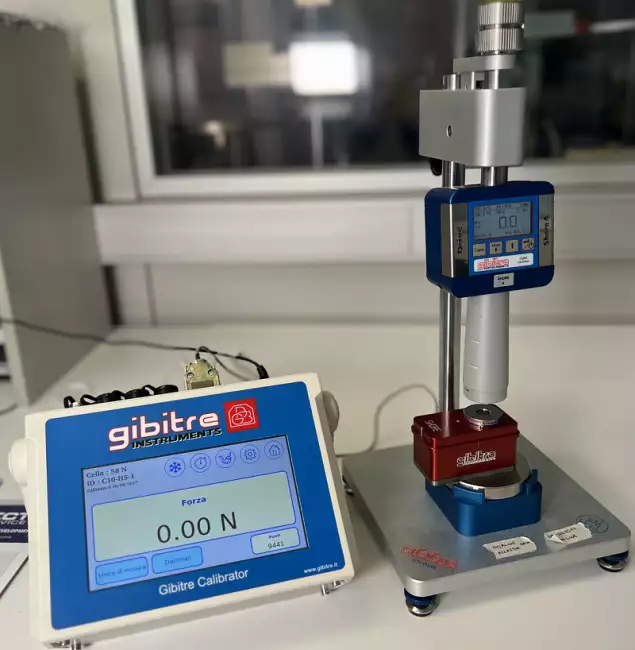
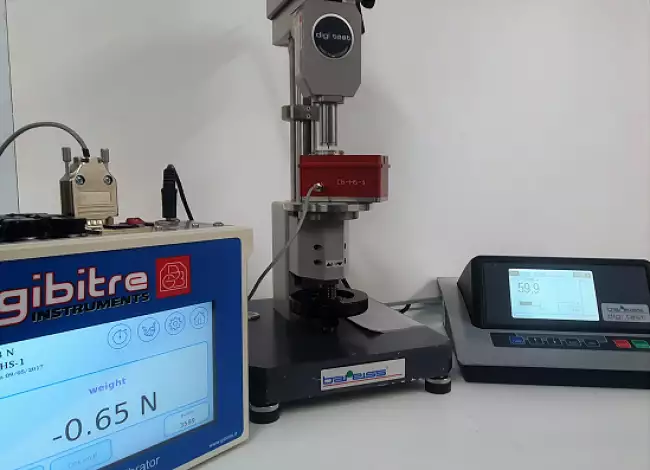
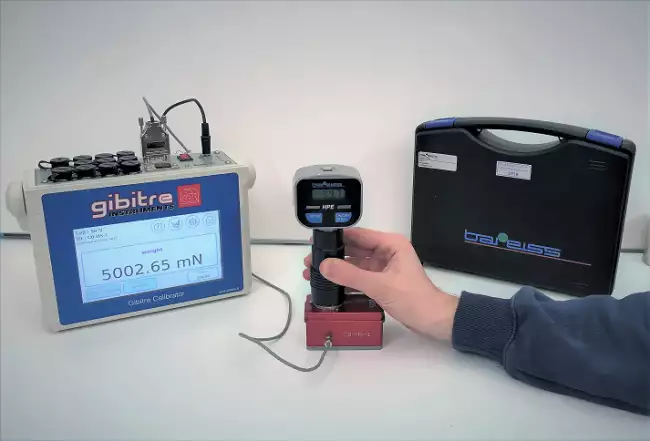
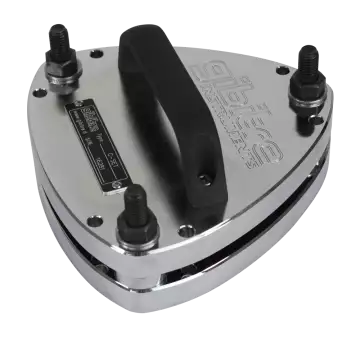
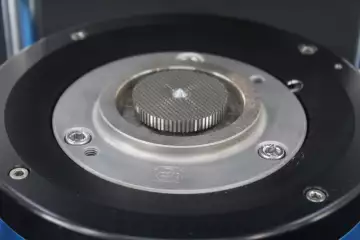
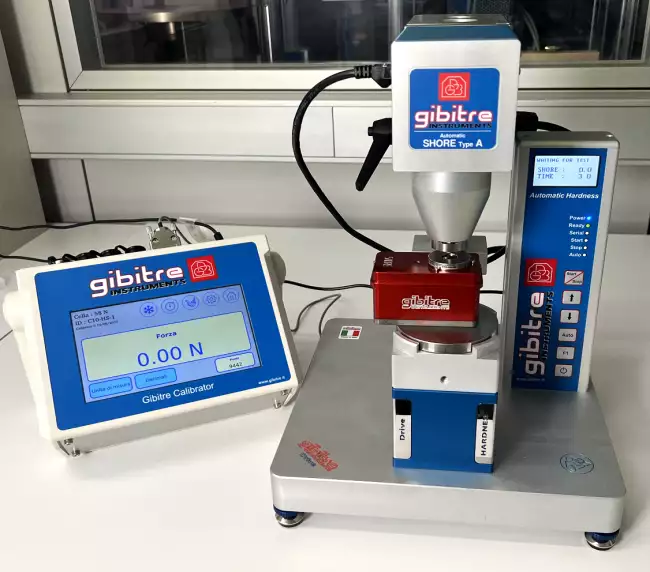
The metrological laboratory of Gibitre Instruments has developed technical procedures and fastening devices for ACCREDIA calibration of IRHD and Shore durometers produced by all the major world producers.

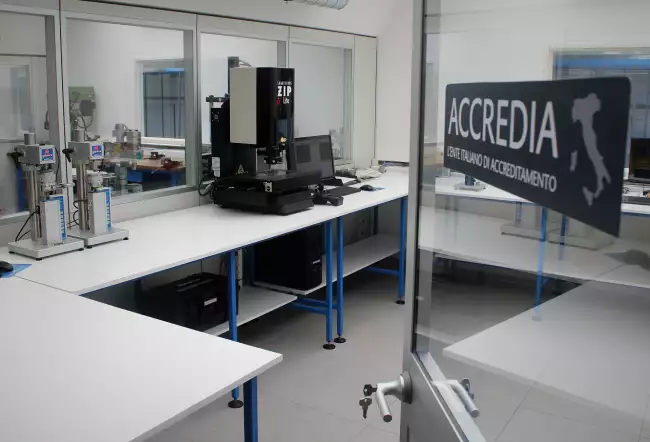
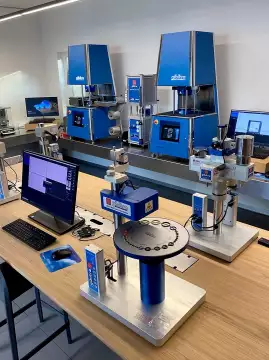
Calibrations are performed in the metrology room of Gibitre Instruments, with controlled environmental conditions.

The Calibration of Hasrdness testers produced by Gibitre can be performed at customer site.

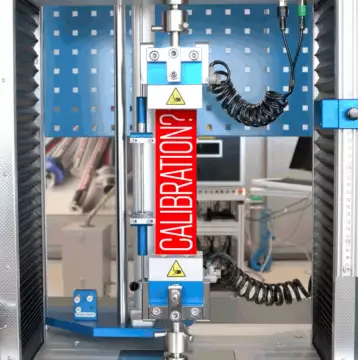
Official Calibration of Tensile testers 
Accredia calibration of:
• Force applied in Traction and Compression up to 20 kN
• Deformation (Strain gauges) between 10 and 1000 mm
• Crosshead displacement between 0 and 1500 mm
• Crosshead displacement speed between 0.1 and 1000 mm/min.

Calibration can be carried out at Gibitre headquarters and at the customer's laboratory.


Why an instrument should be calibrated ? 
The calibrations allow you to determine the error of indication of instruments in order to ensure more precise and reliable measurement results.
The calibrations are carried out by comparing the indication of the instrument with the measurement of corresponding known values ​​with the relative uncertainties.
The calibration process of instruments and samples by laboratories accredited according to ISO / IEC 17025 consists in the comparison with a higher level reference sample and thus allows the measurements they produce to acquire the metrological traceability to national or international samples.
Calibration is necessary for the compliance of a measuring equipment with the requirements for their use.
Normally, equipment calibration is performed:
• Before they are put into service;
• When adjustments or repairs are made;
• If foreseen by the contract with the client, before and after the setting up.
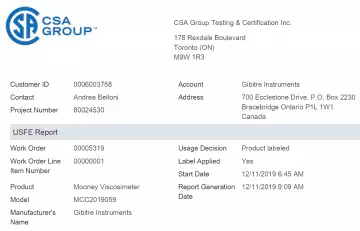
The outcome of the calibration is reported on the calibration certificate issued at the end of the activity.
The accreditation of the laboratories that perform the calibrations ensures the metrological traceability of national or international samples over time.
The ultimate goal is to reduce the margins of error for achieving more precise and reliable measurements.
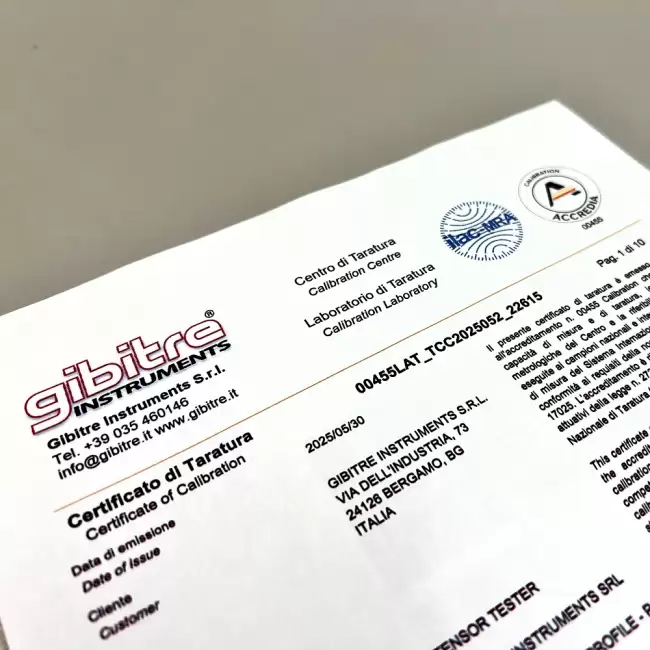

Which is the meaning of the iso 17025 accreditation of a laboratory? 
Accreditation ensures that the calibration laboratory has all the requirements required by the standards for carrying out conformity assessment activities.
Accreditation is the certification, by an entity acting as super partes guarantor, of the calibration laboratory's competence, independence and impartiality.
The accreditation of the laboratory confers on the calibration certificates issued on the market, a high degree of reliability in terms of quality and safety of the instruments subjected to verification, and guarantees their recognition on international markets.
Worldwide, accreditation is carried out on the basis of the international standard ISO / IEC 17011. Within the European Union, the European Regulation 765/2008 provides that each member state appoints its own unique national accreditation body and has conferred for the first time to this activity a legal status, recognizing it as an expression of public authority.
In Italy, the single accreditation body designated by the government is Accredia.
Accredia is a member of the international networks of the accreditation bodies and is the signatory of the relevant international mutual recognition agreements, thanks to the passing of a peer evaluation process.

A Quick and Safe service. 
Gibitre has a solid experience regarding the manipulation and calibration of hardness testers and has performed more that 1500 calibration since 2005.
The measurements made with the instrument before any adjustment and calibration operations and any variations with the pre-calibration conditions are recorded.
By pre-arranging the delivery date of the instruments with the Gibitre sales office, we can perform the back-shipment of the instrument within 24 hours from delivery.
Instruments that do not meet the Accredia calibration requirements are returned without charging calibration service.



How we calibrate your Hardness Tester ? 
Accredia calibration for each type of durometer is carried out according to the relevant Technical Procedure approved by ACCREDIA and which includes all the measures required by the reference standards.
The calibration involves the following steps:
• Minimum thermal conditioning of 4 hours at controlled temperature and humidity.
• Functional verification and verification of the pre-calibration reading of the instrument with comparison samples.
• Possible adjustment of the instrument
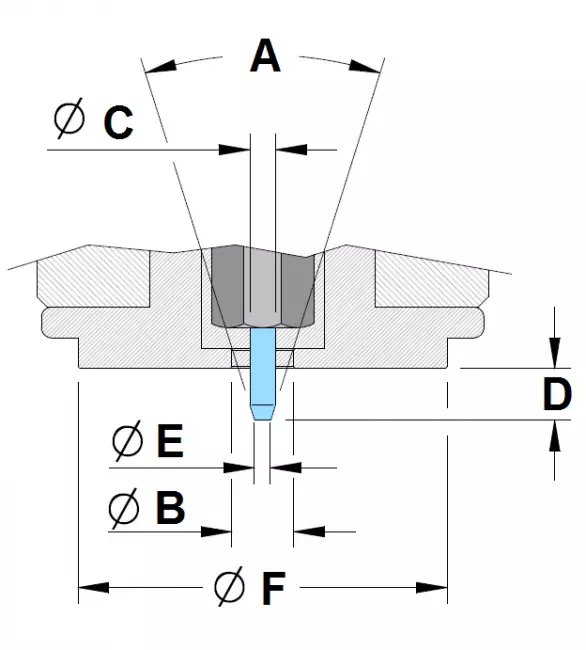
• Dimensional Calibration of the Indentor and of the Anular Foot
• Calibration of Forces applied by the Indentor and by the Anular Foot
• Calibration of the Displacement of the Indentor
• Calibration of the time of duration of the test
• Verification of the post-calibration reading of the instrument with comparison samples.
• Preparation of the Accredia Calibration Certificate which shows all the measures described above.
At the end, the instrument is packed for the shipment.

How we calibrate your Tensile tester ? 
Accredia calibrations of force and displacement measurements are carried out according to Technical Procedures approved by ACCREDIA.

Calibration activities are preceded by measurement of the laboratory temperature (which must be within the limits required by the standards and specified in the Accreditation Table) and verification that the instrument is functioning properly.

Next:
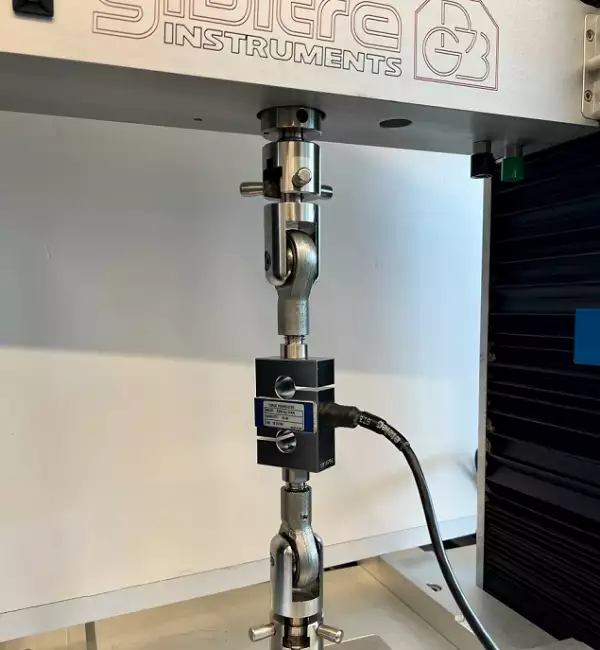
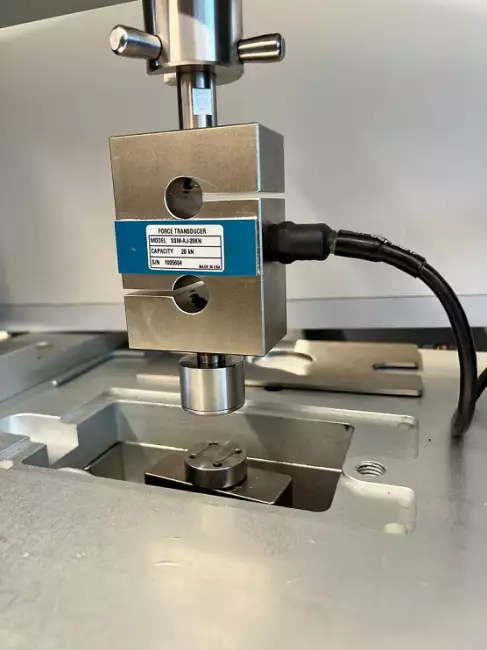
- Force measurements are made by comparing the load cell measurements of the instrument being calibrated with those obtained with the reference instrument. The comparison is repeated 3 times for each expected measurement scale
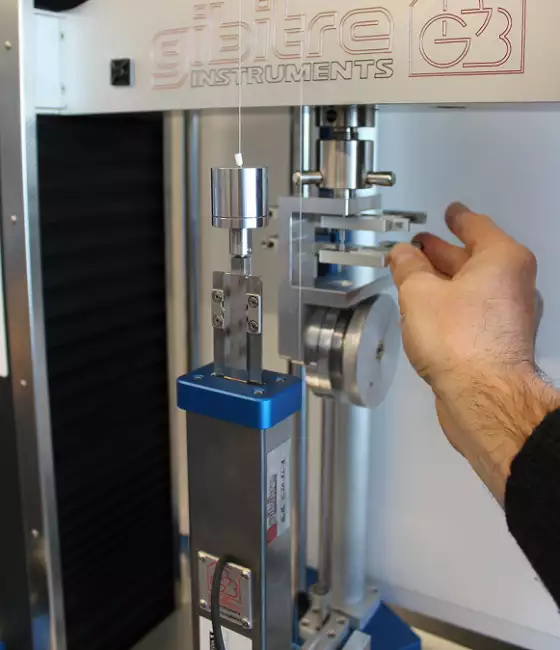
- Measurements for strain gauge differential elongation, crosshead displacement, velocity and reference length (initial strain gauge distance) are made by comparing the reading of the instrumentin calibration with those obtained with the Optical Line and reference chronometer.

Upon completion, calibration certificates are issued that include all measurements taken, calculation of the uncertainty of the measurements, and analysis of the conformity of the results with the respective reference standards.

What happens if the instrument does not measure correctly ? 
• If, during calibration, all the characteristics of the instrument are found to be in conformity with respect to what is required by the reference standard, the Declaration of Conformity of the instrument is recorded in the Calibration Certificate, certifying its full conformity for use.

• In the case of calibrations performed at Gibitre's facility, and the instrument does not function properly or cannot be adjusted to achieve full compliance with the requirements of the reference standard, the calibration is discontinued and the instrument is returned without charge.

• In the case of calibrations carried out at the customer's site, if the instrument does not function properly or if the environmental conditions are not within the limits prescribed by the reference standards, the calibration is discontinued and the customer is charged only for the costs related to the technician's travel.



Place of performance of the Calibrations 
Gibitre Instruments is accredited for calibrations:
- At the Gibitre metrology laboratory
- At the customer's laboratory. 
 
 
Calibration of Hardness Testers 
 
IRHD (Micro, Normal, Hard, Low) hardness testers  
According to ISO 48-9 & ISO 48-2 Standards 
Shore hardness testers A and D 
According to ISO 48-9, ISO 48-4 and ISO 868 Standards 
 
 
Calibration of Tensile Testers (UTM) 
 
Calibration of Force 
According to ISO 7500-1.
 
Calibration of Elongation 
According to ISO 9513 and ISO 5893 
Calibration of Speed 
According to ISO 5893 and ASTM E2658 
Note about Calibration at customer site 
Calibration of Shore & IRHD Hardness Testers performed at the customer's site does not include dimensional calibration of the indenter and can only be performed for Gibitre brand instruments 


Gibitre Instruments
Via dell'industria, 18
Bergamo (Italy)
te. +39 035 461146
www.gibitre.it
info@gibitre.it

Copyright Gibitre Instruments
Gibitre Instruments is Accredited ACCREDIA Calibration Laboratory according to ISO 17025:2018 standard and provides calibration service for Hardness (Shore & IRHD) and Tensile (Force, Elongation, Speed) Testers
Campi di applicazione  >  Prove su pneumatici  >  Rheocheck MD - Drive
ISO 17025
Accredited Calibration
iso 17025 calibrations: x
Get a Quotation


ISO 17025 Accredited Calibration - 吉比特仪器公司是根据 ISO 17025:2018 标准获得认可的 ACCREDIA 校准实验室,提供硬度(邵氏和 IRHD)和拉伸(力、伸长率、速度)测试仪的校准服务。
吉比特仪器公司的计量实验室自2005年起被认证为校准实验室(LAT 00455)。
该校准实验室符合ISO 17025:2018标准。
目前,该实验室获准进行以下设备的校准:


硬度测试仪
• IRHD(微型、标准、高硬度、低硬度)符合ISO 48-9
• 肖氏硬度计A型和D型,符合ISO 48-9和ISO 868标准


拉伸试验机
• 力,符合ISO 7500-1标准
• 伸长率及位移,符合ISO 9513和ISO 5893标准
• 速度,符合ISO 5893和ASTM E2658标准

Gibitre Instruments is Accredited ACCREDIA Calibration Laboratory according to ISO 17025:2018 standard and provides calibration service for Hardness (Shore & IRHD) and Tensile (Force, Elongation, Speed) Testers
Accredia Calibration Services 

Gibitre Instruments' metrology laboratory has been accredited as an Accredia Calibration Laboratory (LAT 00455) since 2005.
The calibration center complies with the ISO 17025:2018 standard.
The center is currently accredited for the calibration of:
- IRHD (Micro, Normal, Hard, Low) hardness testers according to ISO 48-9
- Shore hardness testers (A and D) according to ISO 48-9 and ISO 868
- Dynamometers - Force according to ISO 7500-1
- Dynamometers - Elongation according to ISO 9513 and ISO 5893
- Dynamometers - Speed according to ISO 5893 and ASTM E2658.

Download the Accreditation Certificate
iso 17025 calibrations: 带空调的吉比特校准实验室
带空调的吉比特校准实验室

Official Calibration of Shore and IRHD Hardness Testers 

The metrological laboratory of Gibitre Instruments has developed technical procedures and fastening devices for ACCREDIA calibration of IRHD and Shore durometers produced by all the major world producers.
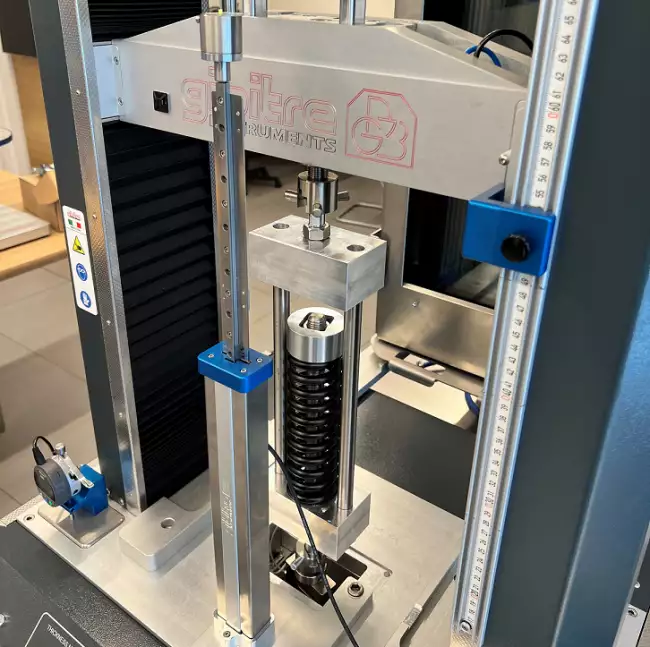
Calibrations are performed in the metrology room of Gibitre Instruments, with controlled environmental conditions.

The Calibration of Hasrdness testers produced by Gibitre can be performed at customer site.

Download the Accreditation Table
iso 17025 calibrations: 吉比特硬度计。校准服务。依据ISO 17025标准获得认证。根据ISO 48-4标准对肖氏硬度计进行校准。 iso 17025 calibrations: 吉比特硬度计。校准服务。依据ISO 17025标准获得认证。根据ISO 48-4标准对肖氏硬度计进行校准。 iso 17025 calibrations: 吉比特校准服务。校准邵氏硬度计。带数字显示的称重传感器,用于力校验。 iso 17025 calibrations: ISO 17025 认证:校准 Bareiss 品牌仪器的示例。 iso 17025 calibrations: 符合 ISO 17025 标准的认可校准服务:校准 Bareiss HPE 硬度计的示例。

Official Calibration of Tensile testers 

Accredia calibration of:
Force applied in Traction and Compression up to 20 kN
• Deformation (Strain gauges) between 10 and 1000 mm
• Crosshead displacement between 0 and 1500 mm
• Crosshead displacement speed between 0.1 and 1000 mm/min.


Calibration can be carried out at Gibitre headquarters and at the customer's laboratory.

Download the Accreditation Table
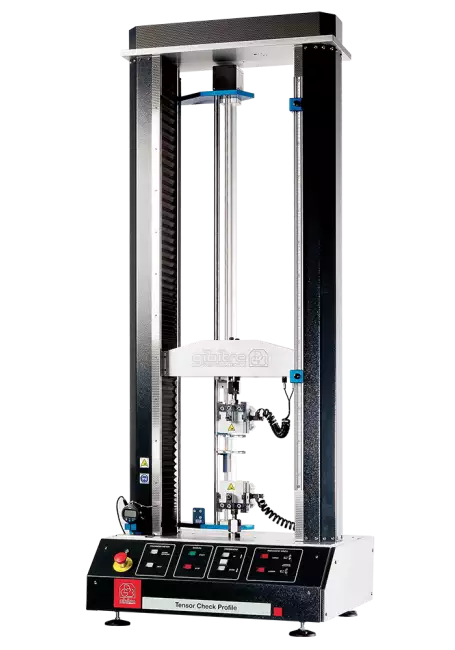
iso 17025 calibrations: 张力检测力计。依据ISO 17025标准认证的校准服务。根据ISO 7500-1标准对称重传感器进行校准。 iso 17025 calibrations: 张力检测力计。依据ISO 17025标准认证的校准服务。根据ISO 7500-1标准对称重传感器进行校准。 iso 17025 calibrations: 仪器校准服务。将称重传感器连接到张力检测测功机的系统详情。 iso 17025 calibrations: 根据 ISO 17025 提供 Accredia 校准服务。测功机校准。差分伸长率校准。 iso 17025 calibrations: ISO 17025 认证的校准服务。测功机校准。速度校准。 iso 17025 calibrations: 认可校准服务说明 - 第 1 部分 iso 17025 calibrations: 认可校准服务说明 - 第 2 部分 iso 17025 calibrations: 认可校准服务说明 - 第 3 部分
 

Why an instrument should be calibrated ? 

The calibrations allow you to determine the error of indication of instruments in order to ensure more precise and reliable measurement results.
The calibrations are carried out by comparing the indication of the instrument with the measurement of corresponding known values ​​with the relative uncertainties.
The calibration process of instruments and samples by laboratories accredited according to ISO / IEC 17025 consists in the comparison with a higher level reference sample and thus allows the measurements they produce to acquire the metrological traceability to national or international samples.
Calibration is necessary for the compliance of a measuring equipment with the requirements for their use.
Normally, equipment calibration is performed:
• Before they are put into service;
• When adjustments or repairs are made;
• If foreseen by the contract with the client, before and after the setting up.
The outcome of the calibration is reported on the calibration certificate issued at the end of the activity.
The accreditation of the laboratories that perform the calibrations ensures the metrological traceability of national or international samples over time.
The ultimate goal is to reduce the margins of error for achieving more precise and reliable measurements.

More info in Accredia web site
iso 17025 calibrations: 校准服务依据ISO 17025标准获得认证。此为Gibitre Instruments实验室出具的校准证书首页示例,印有Accredia和ILAC的认证标识。
校准服务依据ISO 17025标准获得认证。此为Gibitre Instruments实验室出具的校准证书首页示例,印有Accredia和ILAC的认证标识。

Which is the meaning of the iso 17025 accreditation of a laboratory? 

Accreditation ensures that the calibration laboratory has all the requirements required by the standards for carrying out conformity assessment activities.
Accreditation is the certification, by an entity acting as super partes guarantor, of the calibration laboratory's competence, independence and impartiality.
The accreditation of the laboratory confers on the calibration certificates issued on the market, a high degree of reliability in terms of quality and safety of the instruments subjected to verification, and guarantees their recognition on international markets.
Worldwide, accreditation is carried out on the basis of the international standard ISO / IEC 17011. Within the European Union, the European Regulation 765/2008 provides that each member state appoints its own unique national accreditation body and has conferred for the first time to this activity a legal status, recognizing it as an expression of public authority.
In Italy, the single accreditation body designated by the government is Accredia.
Accredia is a member of the international networks of the accreditation bodies and is the signatory of the relevant international mutual recognition agreements, thanks to the passing of a peer evaluation process.

More info about Accreditation
Advantages of Accredited services

A Quick and Safe service. 

Gibitre has a solid experience regarding the manipulation and calibration of hardness testers and has performed more that 1500 calibration since 2005.
The measurements made with the instrument before any adjustment and calibration operations and any variations with the pre-calibration conditions are recorded.
By pre-arranging the delivery date of the instruments with the Gibitre sales office, we can perform the back-shipment of the instrument within 24 hours from delivery.
Instruments that do not meet the Accredia calibration requirements are returned without charging calibration service.

iso 17025 calibrations: 技术支持服务。吉比特高度重视并致力于缩短技术响应时间。带时钟的图像。
技术支持服务。吉比特高度重视并致力于缩短技术响应时间。带时钟的图像。
iso 17025 calibrations: 维护和校准服务。为技术人员配备的校准工具套装。
Safe.... and Risk-Free

How we calibrate your Hardness Tester ? 

Accredia calibration for each type of durometer is carried out according to the relevant Technical Procedure approved by ACCREDIA and which includes all the measures required by the reference standards.
The calibration involves the following steps:
• Minimum thermal conditioning of 4 hours at controlled temperature and humidity.
• Functional verification and verification of the pre-calibration reading of the instrument with comparison samples.
• Possible adjustment of the instrument
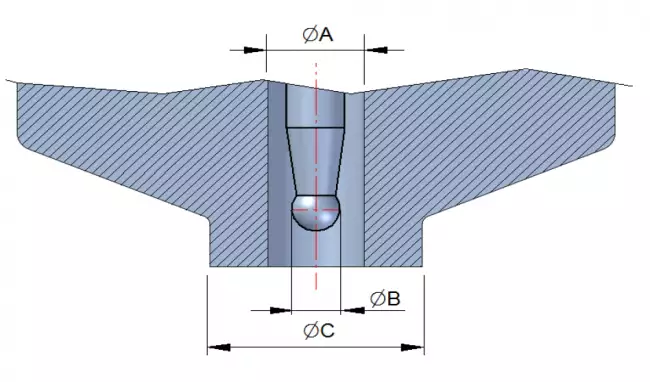
• Dimensional Calibration of the Indentor and of the Anular Foot
• Calibration of Forces applied by the Indentor and by the Anular Foot
• Calibration of the Displacement of the Indentor
• Calibration of the time of duration of the test

Verification of the post-calibration reading of the instrument with comparison samples.
• Preparation of the Accredia Calibration Certificate which shows all the measures described above.
At the end, the instrument is packed for the shipment.

iso 17025 calibrations: 肖氏A硬度计。技术图纸,包含硬度计压头和环形脚的参考尺寸。 iso 17025 calibrations: 肖氏A硬度计。技术图纸,包含硬度计压头和环形脚的参考尺寸。 iso 17025 calibrations: 肖氏A硬度计。技术图纸,包含硬度计压头和环形脚的参考尺寸。

How we calibrate your Tensile tester ? 

Accredia calibrations of force and displacement measurements are carried out according to Technical Procedures approved by ACCREDIA.

Calibration activities are preceded by measurement of the laboratory temperature (which must be within the limits required by the standards and specified in the Accreditation Table) and verification that the instrument is functioning properly.

Next:
- Force measurements are made by comparing the load cell measurements of the instrument being calibrated with those obtained with the reference instrument. The comparison is repeated 3 times for each expected measurement scale
- Measurements for strain gauge differential elongation, crosshead displacement, velocity and reference length (initial strain gauge distance) are made by comparing the reading of the instrumentin calibration with those obtained with the Optical Line and reference chronometer.

Upon completion, calibration certificates are issued that include all measurements taken, calculation of the uncertainty of the measurements, and analysis of the conformity of the results with the respective reference standards.

What happens if the instrument does not measure correctly ? 

• If, during calibration, all the characteristics of the instrument are found to be in conformity with respect to what is required by the reference standard, the Declaration of Conformity of the instrument is recorded in the Calibration Certificate, certifying its full conformity for use.

• In the case of calibrations performed at Gibitre's facility, and the instrument does not function properly or cannot be adjusted to achieve full compliance with the requirements of the reference standard, the calibration is discontinued and the instrument is returned without charge.

• In the case of calibrations carried out at the customer's site, if the instrument does not function properly or if the environmental conditions are not within the limits prescribed by the reference standards, the calibration is discontinued and the customer is charged only for the costs related to the technician's travel.

iso 17025 calibrations: 吉比特售后服务。竖起大拇指的商业形象。
吉比特售后服务。竖起大拇指的商业形象。

Technical specification

Place of performance of the Calibrations  Gibitre Instruments is accredited for calibrations:
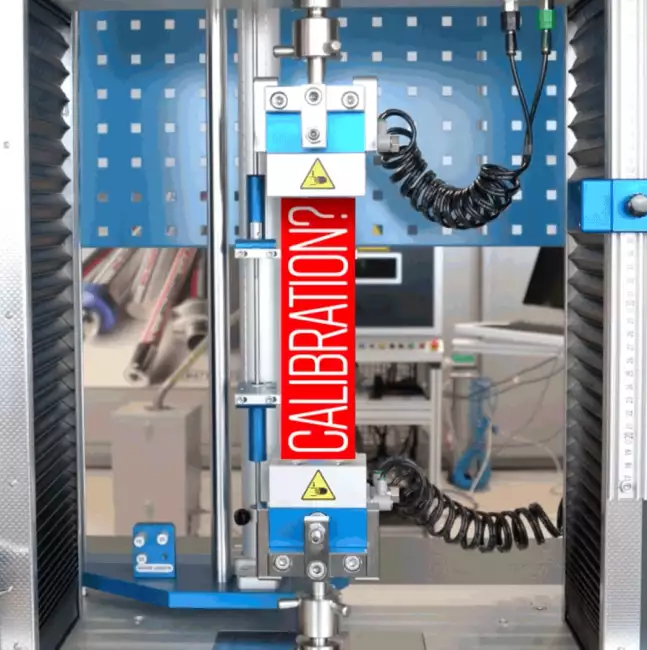
- At the Gibitre metrology laboratory
- At the customer's laboratory. 

Calibration of Hardness Testers

IRHD (Micro, Normal, Hard, Low) hardness testers   According to ISO 48-9 & ISO 48-2 Standards  Shore hardness testers A and D  According to ISO 48-9, ISO 48-4 and ISO 868 Standards 

Calibration of Tensile Testers (UTM)

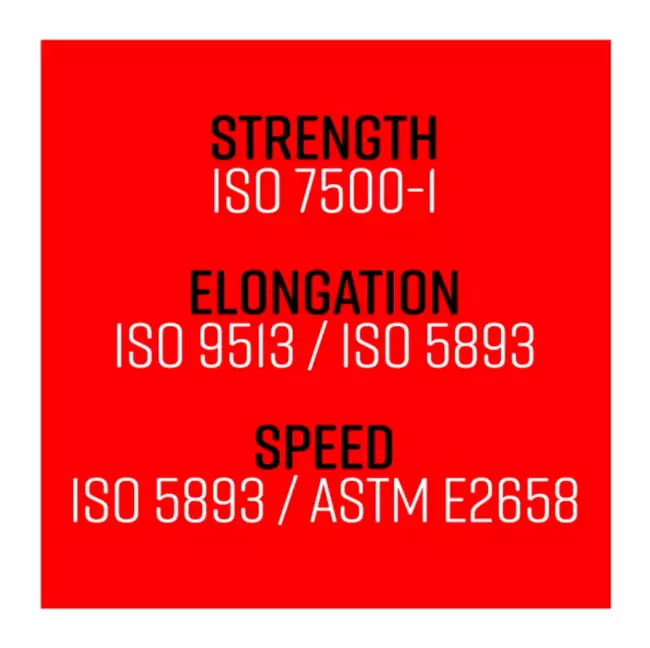
Calibration of Force  According to ISO 7500-1.
 
Calibration of Elongation  According to ISO 9513 and ISO 5893  Calibration of Speed  According to ISO 5893 and ASTM E2658  Note about Calibration at customer site  Calibration of Shore & IRHD Hardness Testers performed at the customer's site does not include dimensional calibration of the indenter and can only be performed for Gibitre brand instruments 
Download
Brief product leaflet
General catalogue mail request

Calibration certificate
example
Tensor Check Profile - PC
Vedi anche: 张力检测仪。仪器全景视图。
See Also   >
Automatic Hardness Check - Drive
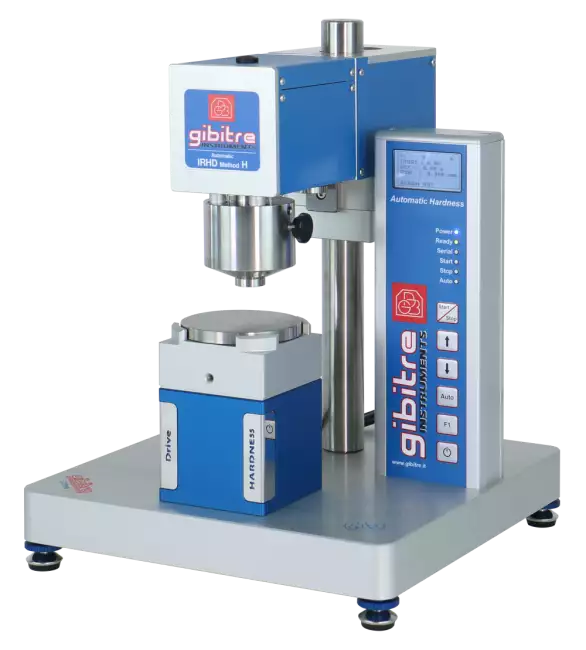
Vedi anche: 自动硬度检测 - 驱动器。带 IRHD 头的仪器全貌。
See Also   >
Manual Digital Hardness Check - Drive
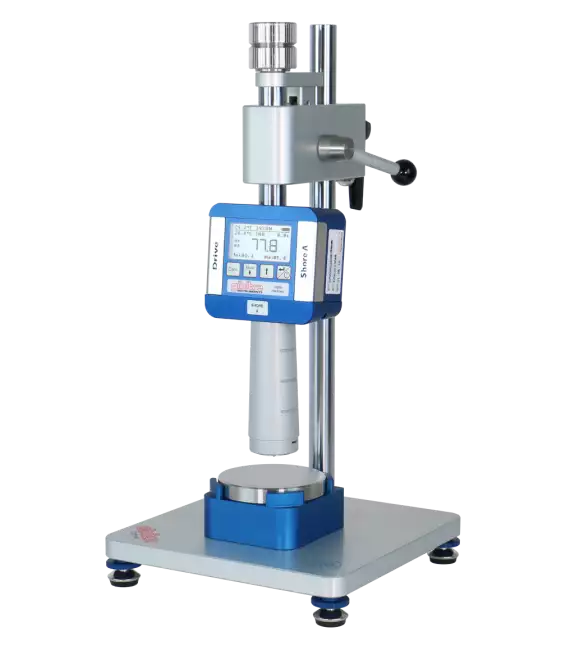
Vedi anche: 驱动式手动硬度检测仪。仪器安装在支架上的视图。
See Also   >
News
Call to action
Ask for quotation
a guided way to ask
for a quotation
Mail
info@gibitre.it
The good old e-mail
ready for every season
Phone
+39 035 460146
We welcome your calls Monday through Friday from 8:30 a.m. to 5:30 p.m. in your local time zone.
Newsletter
Subscribe
Stay updated
with the last news
of your sector
Local agent
from: -
See the whole list

In your country
in your language
at your service
Gibitre Instruments S.r.l., Via dell'industria 73, 24126 Bergamo Italia, pec@gibitre-instruments.it P. IVA: IT02827900164 CCIAA REA Bergamo: 326486 | ©2018 - 2026 Gibitre Instruments
Optimist.it
Welcome to the Gibitre Instruments web site
Please chose the preferred Cookie Management.
Benvenuti nel sito Gibitre Instruments
Per continuare scegliete la Gestione dei Cookie che preferite.
Cookies policy
For detailed informations about the use of cookies, please read our
Cookies Management Practice.

Gestione dei Cookies
Per maggiori informazioni sui cookie utilizzati consultate la nostra
Procedura sull'Uso dei Cookies.